
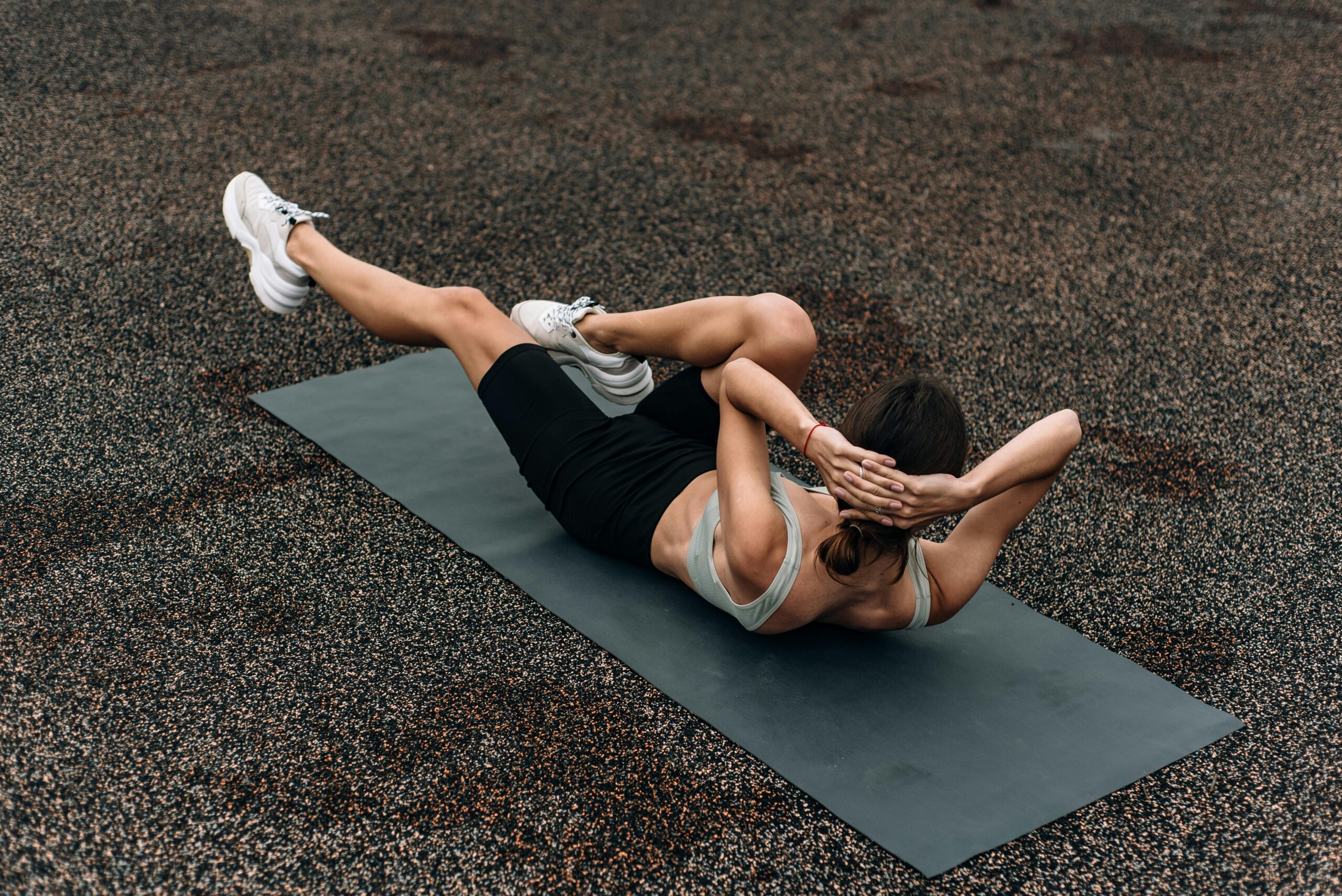


Your body isn’t the same every day of the month, so why would your workouts be?
If you’ve ever wondered why some days you feel like you could run through walls and other days a gentle walk feels like climbing Everest, you’re not imagining it. Your menstrual cycle directly impacts your energy, strength, recovery time, and even motivation. And once you understand how to work with your cycle instead of against it, everything changes.
Cycle syncing your workouts isn’t about being rigid or perfect. It’s about tuning into what your body is asking for and responding with movement that feels good—not movement that punishes you for being human.
Here’s how to move through each phase of your cycle in a way that honors your body’s natural rhythms.
What Is Cycle Syncing?
Cycle syncing is the practice of aligning your lifestyle—including diet, workouts, work schedule, and social activities—with the four phases of your menstrual cycle. Each phase has distinct hormonal patterns that affect how you feel physically, mentally, and emotionally.
Your cycle has four phases:
- Menstrual Phase (Days 1-5): When you’re bleeding
- Follicular Phase (Days 6-14): Post-period, leading up to ovulation
- Ovulation Phase (Days 14-16): Peak fertility window
- Luteal Phase (Days 17-28): Post-ovulation, leading up to your period
Let’s break down what your body needs in each phase—and how to move accordingly.
Phase 1: Menstrual Phase (Days 1-5)

What’s Happening in Your Body
Your hormone levels (estrogen and progesterone) are at their lowest. Your body is shedding the uterine lining, which requires energy. You might feel more tired, introspective, or just want to curl up and rest. And that’s not laziness—that’s biology.
Energy Levels
Low to moderate. Some women feel relief once their period starts (goodbye, PMS), but most experience lower energy overall.
Best Workouts for This Phase
This is not the time to PR your deadlift or sign up for a HIIT class out of guilt. Your body is doing important work—honor that.
What to prioritize:
- Restorative yoga or yin yoga: Long, gentle stretches that feel nourishing
- Walking: Low-impact, grounding, meditative
- Light stretching or mobility work: Focus on releasing tension
- Pilates (gentle flows): Core engagement without intensity
- Rest days: Yes, rest is productive
What to skip:
- High-intensity interval training (HIIT)
- Heavy lifting or max effort lifts
- Long, intense cardio sessions
Why This Works
Your body is in a natural rest-and-repair mode. Pushing yourself too hard during menstruation can increase inflammation, worsen cramps, and deplete your energy even further. Give yourself permission to slow down.
Ivi’s Note: I used to force myself through intense workouts during my period because I thought resting made me weak. But once I started honoring this phase, my cramps got better, my energy improved, and I actually looked forward to movement again. Slow doesn’t mean lazy—it means strategic.
Phase 2: Follicular Phase (Days 6-14)
What’s Happening in Your Body
After your period ends, estrogen starts to rise. This hormone boost increases energy, mood, motivation, and mental clarity. You’re literally designed to feel more social, adventurous, and strong during this phase.
Energy Levels
Rising. This is when you start to feel like yourself again—or even better than yourself.
Best Workouts for This Phase
This is your power phase. Your body can handle more intensity, and your mind is ready to try new things.
What to prioritize:
- Strength training: Heavy lifts, progressive overload, building muscle
- HIIT workouts: Intervals, sprints, metabolic conditioning
- Dance cardio or Zumba: High-energy, fun movement
- Running or cycling: Longer distances, higher intensity
- Trying something new: Rock climbing, boxing, a challenging class
What to skip: Nothing, really. This is your “yes” phase.
Why This Works
Rising estrogen supports muscle growth, endurance, and recovery. Your pain tolerance is higher, and your body responds well to challenging workouts. Take advantage of this window—it won’t last all month.
Ivi’s Note: I schedule my hardest strength training sessions during this phase. I’m hitting PRs, feeling confident, and my body just responds differently. If you’ve been wanting to try something challenging, do it now.
Phase 3: Ovulation Phase (Days 14-16)
What’s Happening in Your Body
Estrogen peaks right before ovulation, and testosterone also gets a little boost. This is when you feel the most energized, confident, and powerful. You’re biologically primed to perform at your best.
Energy Levels
Peak. This is your superhuman phase.
Best Workouts for This Phase
Go for it. Whatever you’ve been building up to—this is the time.
What to prioritize:
- Max effort strength training: Test your one-rep max, go heavy
- High-intensity circuits: Push your limits
- Competitive sports or group fitness: Your social energy is high
- Long runs or endurance challenges: Your stamina is at its peak
- Power-based workouts: Plyometrics, sprints, explosive movements
What to skip: Honestly, nothing. Unless you’re injured or overtrained, this is your moment.
Why This Works
You have the highest pain tolerance, the most energy, and the best recovery capacity of your entire cycle. Your body is designed to perform during this window. Use it.
Ivi’s Note: I always plan my toughest workouts or any fitness challenges around ovulation. I feel unstoppable, my lifts are heavier, and my mindset is just different. If you’re going to push yourself, do it here.
Phase 4: Luteal Phase (Days 17-28)
What’s Happening in Your Body
After ovulation, progesterone rises while estrogen drops. Progesterone is a calming hormone, but it also increases your body temperature, makes you feel sluggish, and can cause bloating, mood swings, and fatigue—especially in the second half of this phase (hello, PMS).
This phase is split into two parts:
- Early Luteal (Days 17-23): You still have decent energy
- Late Luteal (Days 24-28): Energy crashes, PMS kicks in, and your body is preparing for menstruation
Energy Levels
Moderate in the early luteal phase, then declining as you approach your period.
Best Workouts for This Phase
Early Luteal (Days 17-23): You can still train with intensity, but you might need longer rest periods or slightly less volume.
What to prioritize:
- Moderate-intensity strength training: Still lifting, but maybe not maxing out
- Pilates or barre: Controlled, intentional movement
- Steady-state cardio: Jogging, cycling, swimming at a comfortable pace
- Yoga flows: Vinyasa or power yoga
Late Luteal (Days 24-28): This is when PMS hits. Your body temperature is higher, you retain water, and you might feel irritable or exhausted. Honor that.
What to prioritize:
- Gentle yoga or stretching: Release tension, don’t create it
- Walking: Low-impact, mood-boosting
- Light strength training: Bodyweight exercises, resistance bands
- Rest days: Especially if you’re feeling drained
What to skip:
- Heavy lifting or max effort work (you’re more prone to injury in late luteal)
- Long, intense cardio sessions
- Anything that feels punishing
Why This Works
Progesterone increases your core body temperature, which means you fatigue faster and recover slower. Pushing too hard during late luteal can lead to injury, burnout, or worsened PMS symptoms. Scaling back isn’t weakness—it’s wisdom.
Ivi’s Note: I used to beat myself up for not wanting to work out the week before my period. Now I plan lighter sessions, prioritize walks, and give myself permission to rest. My body thanks me every time.
How to Actually Implement This (Without Overthinking It)
You don’t need to track every hormone or follow this perfectly. Start simple:
Step 1: Track Your Cycle
Use an app like Clue, Flo, or Stardust to know where you are in your cycle. Once you see the patterns, you can plan accordingly.
Step 2: Tune Into Your Energy
Notice how you feel each week. Where does your energy peak? When do you feel sluggish? Your body will tell you what it needs if you listen.
Step 3: Plan Your Week Around Your Cycle
- Follicular + Ovulation (Days 6-16): Schedule your hardest workouts
- Luteal Phase (Days 17-28): Scale back intensity, prioritize recovery
- Menstrual Phase (Days 1-5): Rest, restore, gentle movement
Step 4: Give Yourself Permission to Adjust
Some months you’ll feel strong during your period. Other months you’ll feel wiped during ovulation. Life, stress, sleep, and nutrition all affect your cycle. Be flexible.
The Workouts I Actually Do in Each Phase
Here’s what a typical month looks like for me:
Menstrual Phase (Days 1-5):
- Morning walks
- Yin yoga (20-30 min)
- Light stretching
- Rest days
Follicular Phase (Days 6-14):
- Strength training 4x/week (heavy lifts, progressive overload)
- 1-2 HIIT sessions
- Pilates or barre 1x/week
Ovulation Phase (Days 14-16):
- Max effort strength sessions
- Running or cycling (longer distances)
- High-energy dance cardio
Early Luteal (Days 17-23):
- Moderate strength training 3x/week
- Pilates 2x/week
- Steady-state cardio (easy runs, bike rides)
Late Luteal (Days 24-28):
- Walking daily
- Gentle yoga or stretching
- Bodyweight strength training (if I feel like it)
- Extra rest days
What About If You’re On Birth Control?
Hormonal birth control (the pill, IUD, implant) suppresses your natural cycle, so you won’t experience these hormonal fluctuations the same way. You can still benefit from varying your workout intensity based on how you feel, but you won’t have the same distinct phases.
If you’re on birth control and want to cycle sync, focus on energy-based training instead—notice when you feel strong vs. when you need rest, and move accordingly.
Resources I Love
Apps for Cycle Tracking:
- Clue (science-backed, no frills)
- Stardust (astrology meets cycle tracking)
- Flo (easy to use, lots of insights)
Books:
- In the Flo by Alisa Vitti
- Period Power by Maisie Hill
- The Fifth Vital Sign by Lisa Hendrickson-Jack
Workouts:
- Alo Moves (yoga, Pilates, strength—filter by intensity)
- Peloton (you can choose intensity based on your phase)
- YouTube: Yoga with Adriene (gentle flows), MadFit (HIIT), Move with Nicole (Pilates)
Final Thoughts
Cycle syncing your workouts isn’t about being perfect or rigid. It’s about working with your body instead of against it. Your cycle is not something to fight—it’s information. And when you start listening, everything shifts.
You don’t need to prove anything to anyone by pushing through exhaustion. Rest is productive. Gentle movement is still movement. And honoring your body’s natural rhythms is one of the most powerful acts of self-care you can practice.
So the next time you feel guilty for skipping that HIIT class the day before your period? Remember: you’re not weak. You’re wise.
What phase are you in right now? How does your body feel? Drop a comment below—I’d love to hear how you move through your cycle.
Save this post for later and share it with a friend who needs to hear this.
SHOP MY FAVORITE WORKOUT ESSENTIALS:
- Lululemon Align Leggings (Perfect for every phase)
- Bala Bangles (Light wrist/ankle weights for walks)
- Manduka Yoga Mat (Lifetime guarantee, worth it)
- Alo Yoga Set (Comfortable, chic, lives in my rotation)
Want more content like this? Subscribe to the Fawne newsletter for weekly rituals, resources, and real talk on living well.
READ LATEST
the



feartured post
Cycle Aligning Your Workouts: What to Do in Each Phase
This could go to a blog post, an Amazon shop, a page of your site, your like to know it — whatever you want!






The
cycle
alginment
course
Describe a freebie or opt-in or special offer of some kind right here. Make it good!
WHAT THE ARE LOVING
girls
think we might be a fit?
Let’S TELl Great STories
Ready to start creating vibrant, captivating content for your brand... or just have me to do it for you? Let's get started.


+ Show / Hide Comments
Share to: